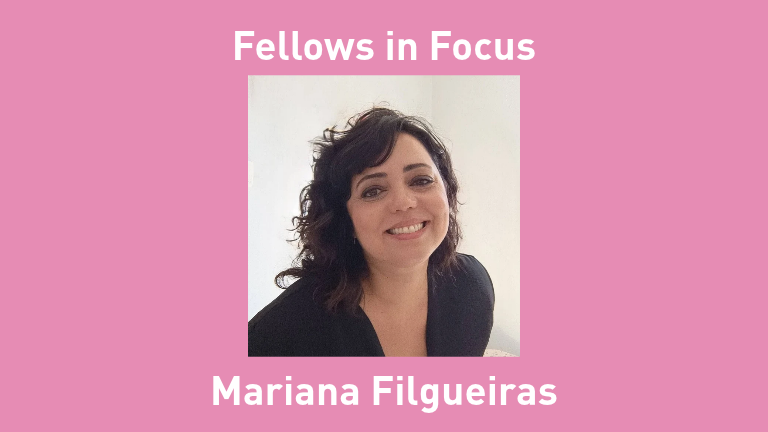
This October, we are delighted to welcome Mariana Filgueiras for a short research stay funded by the DAAD’s GROW programme. The contact was established through the University Alliance Ruhr’s Liaison Office for Latin America.
We talked to her about her research, plans, and first impressions.
What is your current research focus?
My research focuses on the representation of poverty in contemporary literature, particularly across Latin America and Brazil. I explore how the majority of the continent’s population is portrayed in literature, how authors mediate these depictions, and how subaltern voices tell their own stories. During my PhD, I examined the presence of domestic workers in Brazilian literature. In my current postdoctoral research at the Federal University of Minas Gerais (UFMG), I am mapping domestic workers who are themselves writers. My goal is to see how the Care Economy — a pivotal topic in contemporary socio-political debate — is aestheticized in literary texts (as well as in cinema, music, and the visual arts) by those who actually live it.
What are your plans for your time at KWI and/or your visit in Germany?
During my fellowship at KWI, I hope to share my research with the international scholars hosted by the institute, while also learning about their work and building networks for future collaboration. Given our shared interdisciplinary focus, there are endless opportunities to work together on projects, publications, and events, ultimately making the internationalization of our academic work richer and more diverse.
What are your first impressions of the Ruhr area?
I’ve only been here a short time, but it’s clear how much respect there is for the region’s industrial heritage. I was born in a city with a similar history—Volta Redonda, in Rio de Janeiro, home to Latin America’s largest steel mill—so I recognize many shared traits of industrial regions. They are often gritty cities with brutalist architecture and muted colors, yet deeply diverse and welcoming. I was also struck by the grand performance halls, beautifully preserved cinemas, and bustling theater programs—at a time when such cultural spaces are so often fragmented and undervalued elsewhere.